
We live in a world that operates at a relentless, digital pace. Every day, millions of professionals stare at glowing screens, sending emails, analyzing data, and managing virtual projects. Yet, despite the high productivity and constant connectivity, an invisible epidemic is sweeping through the modern workforce: burnout.
Burnout is more than just feeling tired; it is a profound emotional exhaustion, a sense of detachment, and a feeling that your efforts yield no tangible results. When your daily output consists of pixels on a screen or shifting numbers in a spreadsheet, your brain craves something real.
If you are trapped in this cycle of chronic exhaustion, the remedy might not be another vacation or a meditation app. Instead, the cure might be waiting in your garage, your local thrift store, or that dusty corner of your living room.
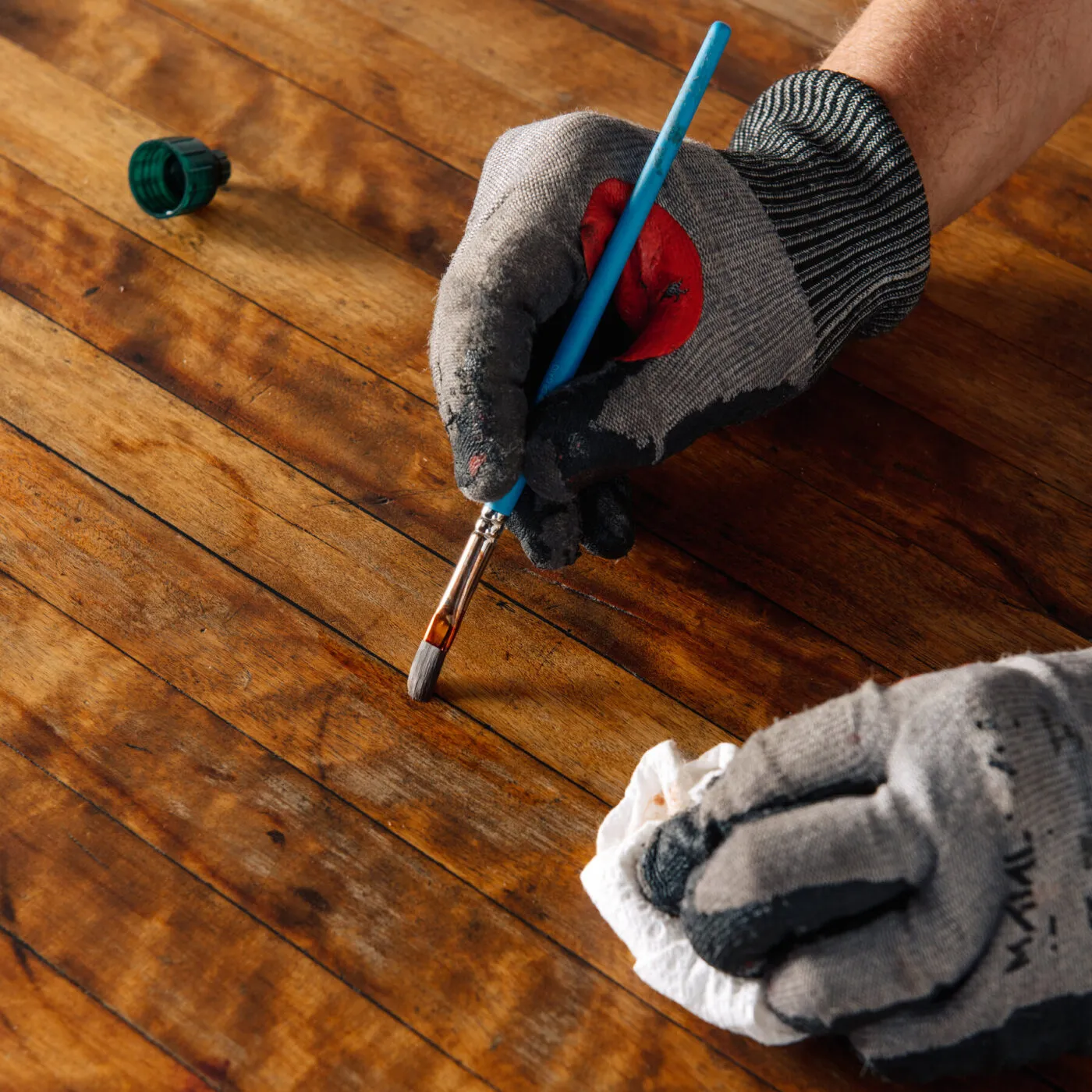
Restoring old furniture and engaging in hands-on DIY repairs is becoming one of the most effective, unconventional therapies for healing burnout. By stepping away from the digital noise and working with your hands, you can awaken the raw, primal emotions of human creativity.
The Root of Modern Burnout: The Alienation of Labor
To understand why restoring an old wooden chair can heal your mind, you first need to understand why modern work drains us.
In the 19th century, Karl Marx introduced the concept of the “alienation of labor.” He argued that when workers become tiny cogs in a massive corporate machine—never seeing, touching, or owning the final product of their work—they become alienated from their human nature.
Fast forward to 2026, and this alienation has reached its peak. We work for hours on abstract tasks, only to close our laptops at night feeling like we accomplished nothing. Our brains are hardwired to crave tangible outcomes. When we are deprived of the physical evidence of our efforts, our mental health suffers, leading directly to burnout.
DIY furniture restoration flips this script. It provides an immediate antidote to the abstract nature of modern stress by anchoring you in the physical world.
How DIY Restoration Awakens Raw Creativity
True creativity is not about perfection, algorithms, or corporate KPIs. It is an emotional, tactile process. When you take a piece of discarded, broken furniture and decide to fix it, you trigger a psychological shift that reawakens your creative spark in three distinct ways:
1. Reclaiming Agency and Control
Burnout often stems from a lack of control. In your job, you are at the mercy of client demands, shifting deadlines, and management whims. But when you are sanding down an old oak coffee table, you are the master of the project. You decide the color, the finish, and the pace. This restoration of personal agency is incredibly therapeutic for an exhausted mind.
2. The Healing Power of Tactile Friction
Digital life is friction-free. We swipe, tap, and click. In contrast, restoring old items requires raw, physical engagement.
The smell of stripped varnish and fresh sawdust.
The rhythmic, soothing sound of sandpaper against grain.
The physical resistance of a stubborn, rusty screw.
This sensory input acts as a powerful grounding mechanism. It forces your brain out of the hyper-active “survival mode” of burnout and pulls you into the present moment—a state of intense mindfulness that psychology calls Flow.
3. Turning “Mistakes” into Character
In the corporate world, mistakes are costly errors that must be avoided. In DIY restoration, imperfections are celebrated. If a piece of wood has a deep dent, you don’t throw it away; you highlight it, patch it, or embrace it as part of the item’s history. This mindset shift is deeply healing for perfectionists who are burning out from the pressure of being flawless.
The Cognitive Benefits of Physical Repairs
The mental health benefits of working with your hands are backed by neuroscience. Dr. Kelly Lambert, a neuroscientist at the University of Richmond, coined the term “effort-driven rewards circuit.”
This is an ancient neurobiological network in our brains that links physical effort with emotional satisfaction. When you use your hands to alter the physical environment successfully—such as repairing a broken chair leg or painting a vintage dresser—your brain releases a potent cocktail of neurochemicals:
Dopamine: The reward chemical, triggered when you see a physical transformation.
Serotonin: The mood stabilizer, boosted by the rhythmic, repetitive motions of sanding or polishing.
Endorphins: The natural stress-relievers, activated by physical labor.
This internal chemical reward system cannot be replicated by sending a successful email or clearing your inbox. It requires physical manipulation of the world around you.
From Trash to Treasure: A Metaphor for Self-Recovery
There is a profound emotional metaphor hidden within the process of furniture restoration. When you look at an old, scratched, and discarded cabinet, it is easy to see a reflection of your burned-out self: tired, overlooked, and drained of its original vibrance.
As you clean off the grime, strip away the old, toxic layers of paint, and reveal the beautiful, raw wood underneath, you are symbolically doing the same for your mind.
| The Stage of Furniture Restoration | The Psychological Stage of Burnout Healing |
| Stripping & Scraping | Peeling back the toxic expectations, overwork, and corporate identity. |
| Sanding & Repairing | Tending to your mental wounds, resting, and smoothing out emotional rough patches. |
| Staining & Sealing | Re-discovering your core passions and protecting your boundaries for the future. |
When the project is finished, you aren’t just left with a beautiful, unique piece of furniture. You are left with the undeniable proof that things that are broken can be made beautiful again. If that old cabinet can find a second life, so can you.
How to Start Your Creative Healing Journey
If you are feeling the heavy weight of burnout, don’t intimidate yourself by aiming to remodel an entire kitchen. Start small and focus on the emotional process rather than a masterpiece.
Find a “Low-Stakes” Object: Visit a thrift store, search garage sales, or look at your local online marketplace for free items. Pick something small—a wooden stool, a picture frame, or a small nightstand. The lower the cost, the less pressure you will feel to make it perfect.
Embrace Basic Hand Tools: Avoid heavy, loud power tools at the beginning. Use a manual screwdriver, a block of sandpaper, and a handheld paintbrush. The goal is to slow down and feel the materials, not to finish the project at lightning speed.
Disconnect to Reconnect: Make your DIY space a strict tech-free zone. Put your phone in another room, turn off notifications, and allow yourself to get completely lost in the texture, smells, and sounds of your work.
Conclusion: The Ultimate Creative Reset
Burnout tells you a lie: it tells you that you are empty, uncreative, and incapable of joy.
The next time you feel that digital exhaustion creeping into your bones, close your laptop. Step away from the screens. Pick up a piece of sandpaper and find an old, forgotten object that needs your care.
By breathing new life into something old, you will find that you are simultaneously breathing new life into your own soul. The raw emotion of creativity isn’t found in a digital matrix—it is found in the dirt, the paint, the wood, and the beautiful work of your own two hands.